
*disclaimer: I am not a medically licensed psychologist or medical practitioner. These blog posts are not meant to replace getting real help and guidance from a trained medical professional. If you are in crisis and need immediate support, contact 911 or call the suicide prevention hotline at 988.*
Physical activity is something most doctors will agree is beneficial, regardless of the branch of medicine they practice in. It has so many benefits for the body. Physical activity, according to both the Mayo Clinic Staff (2019) and the CDC (2025), is good for your heart, help prevents chronic illnesses, helps maintain a healthy weight which cuts down on your risk for preventative diseases and prevents general illness, is good for bone density and strength as well as mobility and balance as you get older, and most important to this platform, it is amazing for your mental health.
In early posts on this platform, I talked a lot about stress and how it can be a killer (for more information, see the post “Understanding the Importance of Mental Health”). One of the first tools we have to help manage stress and mitigate the harm that chronic and severe stress can do is exercise. Hipp (2019) calls our stress management toolbox our 11 Tiger Training techniques, and the very first item on the list is movement.
Our bodies are meant to move. It is what they were designed in part to do. Yet in today’s day and age, where most of the work we do is sedentary, we have started moving less overall. According to the CDC (2024), only 24.2% of American adults age 18 and older meet the physical activity guidelines for both strength and aerobic exercises. If we look at only aerobics, 46.9% meet the physical activity guidelines, which is still considerably less than half the population. We just generally do not move.
And yet, it is widely known and advertised that movement and regular exercise have so many good benefits for us. In the mental health world alone, movement helps rid the body of stress hormones released when we are facing off with stress that have negative effects on our overall health. In turn, it also releases good hormones called endorphins that lead to a heightened positive emotional state. Exercise can also translate to positive body image and feelings of accomplismemnt having done something good for yourself.
Why We Don’t Exercise
There are many reasons why people don’t exercise. Some of the reasons include not having enough time, not knowing how, feeling unmotivated, not having access to gym memberships or equipment, or disability and injury. In my case, it was and continues to be a combination of all of the above. I have always struggled with weight and fitness. But there are ways around those challenges and things I and others have done to get in their physical exercise and, as a result, helped with their mental health.
I never knew how to exercise effectively to lose weight or just to take care of my health, and there is so much information out there on the internet on how to exercise correctly and what types of models to use, but there is no one size fits all methode to exercise, and every person’s body is different. The challenges they face are different. Plus, not everyone has the ability to afford a personal trainer or gym membership, and even if they manage to get to the gym, not everyone knows how to use the equipment there or what is the best exercise for them. It is always best to consult your primary care provider about exercises that are right for you and about the level of exercise that is right for you. However, some easy things that most people can do, even with disability or if they have never worked out before, are going on a short walk, doing yoga, or other low-impact exercises that focus on flexibility and core strength.
I am trying to walk at least five minutes a day out in nature. At first, I was embarrassed by that time, but my body isn’t ready for more than that right at this second, and every little bit counts, so that is what I do. Dancing at home, playing games like Beat Saber and Just Dance are good options to help get you started moving, and can be modified to meet you at your level, such as just doing the arms or just doing the legs. There are many free YouTube videos that are short exercises that fit your fitness levels that can be found. Some of my favorite low impact exercised that are good for mobility, flexibility, strength, and balance, and that can be found in abundance free on YouTube include tai chi and qigong exercises as well as yoga. I have even done chair yoga in the past and found it to be beneficial for me as a way to get moving easily.
The importance of Consistency
For people with disabilities where energy is a factor, such as my MS friends, chronic fatigue, fibromyalgia, POTS, and many, many more, and even for my people who are otherwise healthy but are just out of shape, you must recognize when working out that consistency is going to be more important than time spent in the exercise in the long run. It is so easy to feel like you are not doing a good job exercising because you are only doing it for a short amount of time. I have seen my mother struggle with this mindset and try to push herself too hard; I have struggled and tried to push myself too hard. If five minutes of walking is all you can do, but you do it consistently, then your body can get used to it, and you can improve. If you push past your limits set by your body, it can cause more harm than good physically and be demotivating and hurt you mentally as well. Every bit of physical activity you do to help with your mental and physical well-being is an achievement.
Don’t Let the Scale Make You Feel Judged
People who struggle with motivation to exercise are often demotivated due to the above reasons, bad relationships with their body, or are demotivated by seeing a lack of results if they are trying to lose weight and aren’t seeing or feeling changes in their body. I have noticed that we as a nation put a lot of emphasis on how we look and have body images that are based in part on unrealistic standards. We also have a tendency to believe that health is measured by weight and pant size. But that is one small part of health. If you are regularly active and you are “overweight” (I say in quotations because honestly, everyone’s ideal weight is different), then you are healthier than a person who is not active and overweight. There are people in this world who have a hard time losing weight, no matter how much they exercise, but who exercise anyway because it is the healthy thing to do. I enjoy seeing plus-size men and women in the gym or on social media rocking it, because it motivates me as a plus-size woman and helps to show that weight isn’t all there is to physical and mental health.
One thing I have done to combat my frustration about weight and not losing weight even though I am being active is to put the scale away. I try to only look at my weight when I am getting on the scale at the doctor’s office. Most of the time, when doing that, I am pleasantly surprised if I have lost or maintained weight, and if I have gained, I usually know why. If I am looking at my weight on a scale every day, however, it is frustrating, demotivating, and puts negative images of myself in my head that I don’t need. I got that suggestion from others on the internet who did the same, and it made a world of difference for them, and it’s making a difference for me. Put the scale away.
Finding the Time and Motivation Outside Yourself
The final reasons I will discuss here are not having time to exercise, thinking it is too hard, and not having the motivation to exercise. Sometimes, if we work corporate or desk jobs, taking short breaks to walk around the hallways is acceptable behavior and can be a way to get in our steps. Others will take the stairs instead of the elevator, work exercise into their hobbies of stuff they like to do, ride their bikes, or walk to work if they live close enough. Others work it into their schedules, like meetings or dates they cannot miss. When I was in the best shape of my life, it was part of my daily routine done at a specific time every day, and that part of my day was sacred because it was my me time, my break from stress, and the moment I got to let out everything I was feeling. I had my gym bag in the car, and the moment I got off work, I headed to the gym.
Sometimes finding that time can be hard, and again it comes down to consistency over time. As you exercise more consistently, you start to find more time to workout and it becomes easier to find little ways to get in physical movement at the office or during the day in your hobbies.
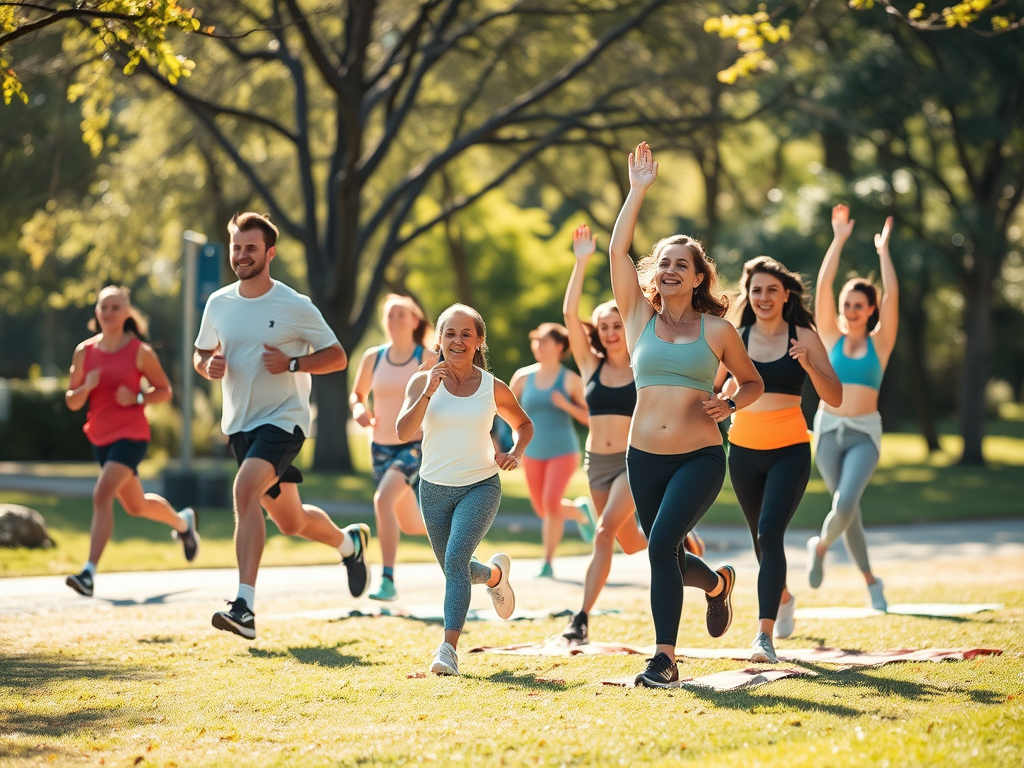
For those who have a hard time pushing themselves to exercise and get started, having an accountability buddy can be beneficial. A friend who wants to work out with you, a friend who is already doing a workout activity regularly that you can join, or, if you don’t have active friends and you want to make some to be your accountability buddies, there are free classes and fitness groups you can join and network with, which can hold you somewhat accountable. In many cities and towns, some groups gather to walk or run, and free community classes that you can join for exercise and health, such as tai chi or yoga meetups at the park. If you are technologically savvy and want to find a group like that facebook is a good place to start, as well as your local community center. Meetup.com is another place to look for local events and groups where you can make friends and have accountability buddies.
Conclusion
The bottom line is that exercise is important for mental health and stress management. While we can make excuses for why we aren’t exercising, and our excuses can be valid, regular exercise is just plain good for you. It prevents medical conditions that can cause more stress in the future, it removes harmful stress hormones from the body, it builds confidence and self-image, and it gives you emotion-boosting hormones that make you feel good. It is just important to recognize that it is more valuable to be consistent than to push your body too hard and get hurt, and it is more valuable to just start moving than it is to worry about the number on the scale. If the number on the scale is a demotivator, put the scale away because in the world of stress management, that number doesn’t matter. There are exercises almost anyone can do, there are groups that you can find to give you accountability friends, and there are YouTube videos for every level of fitness imaginable.
Just start and see the difference consistently exercising can make to your mental health.
-Dare.
Citations:
CDC. (2024, December 10). FASTSTATS – exercise or physical activity. Centers for Disease Control and Prevention. https://www.cdc.gov/nchs/fastats/exercise.htm
CDC. (2025, December). Benefits of physical activity. Centers for Disease Control and Prevention. https://www.cdc.gov/physical-activity-basics/benefits/index.html
Hipp, E. (2019). Fighting invisible tigers: Stress management for teens. Free Spirit Publishing.
Mayo Clinic Staff. (2023). Depression and anxiety: Exercise eases symptoms. Mayo Clinic. https://www.mayoclinic.org/diseases-conditions/depression/in-depth/depression-and-exercise/art-20046495
Leave a Reply