
*This is part of the series “Life Lessons.*
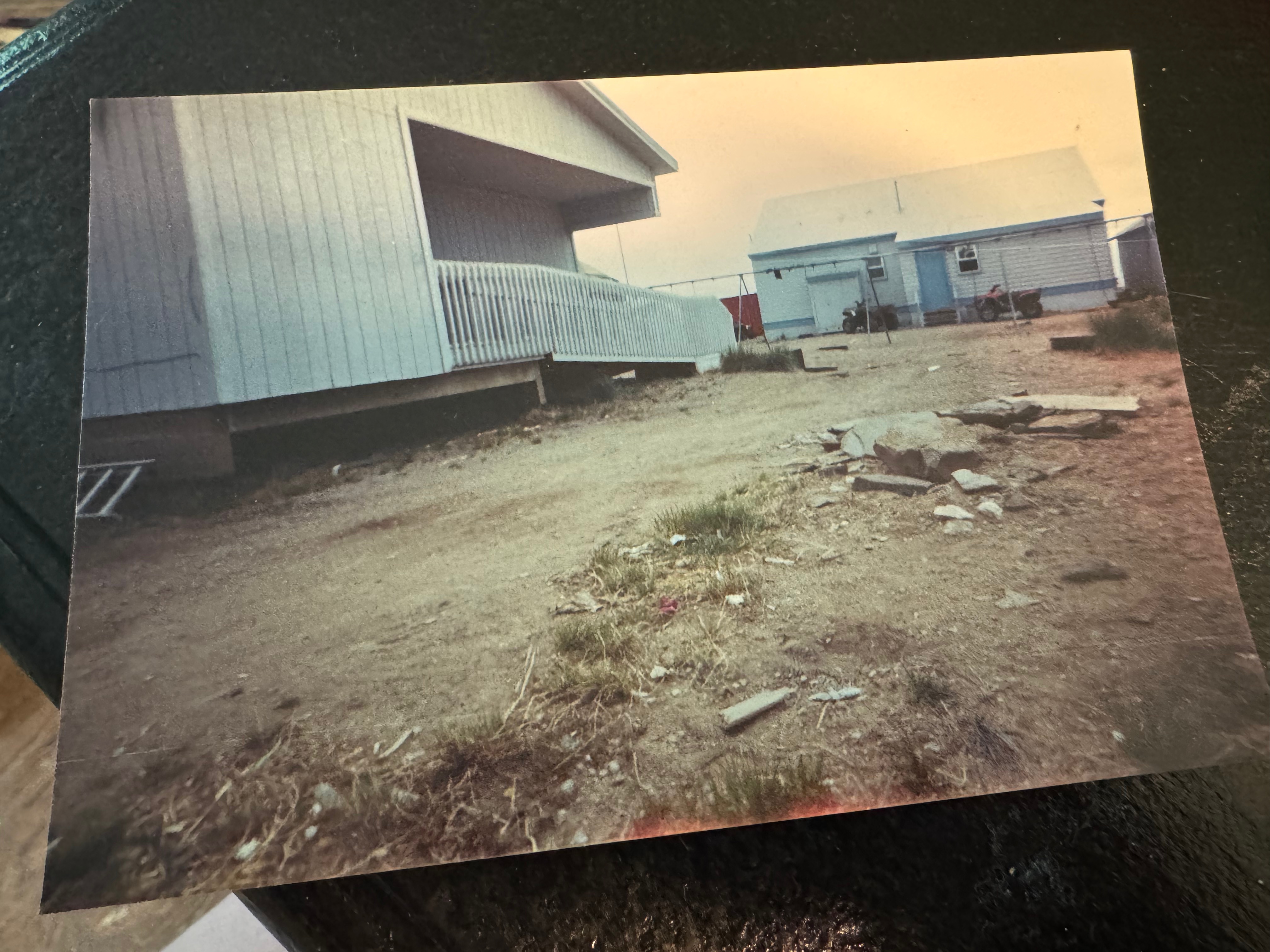
When I was young (from the age of 4 to 11), I lived in a small village in the northern region of Alaska, on the Bering Strait. My parents were both teachers, and they had moved my brother and me up to the village with $60 to their name after a tornado wiped out the school district where they were working in Oklahoma.
At the time, Las Vegas, NV, was booming and my parents had interviewed for a position there, but during that job fair interview had seen a booth for the Bering Strait School District (BSSD), had found it interesting, interviewed, and were hired, and so to the village we went.
Many of the stories I have to share about hard-won life lessons took place in this setting. It was its own unique world there that not many people get a chance to experience.
This village was more or less a reservation with strict rules as to who was allowed to live there and what was allowed in the village.
Any person not Native American or Native Alaskan could only stay in the village if they were teaching, doing construction, or married to a Native individual. If they finished teaching or working on the project they were there to work on, they had to leave. While the teachers were hired by the BSSD, and it was the district to which the teachers were responsible, if there was a dispute between people in the village and the teachers, the teachers’ jobs may be at risk. Many teachers had been run out of town before we arrived in the village, and many teachers have been run out since. When teaching there, it was really important to have a firm grasp on the culture and treat the location with dignity and respect. My father, having grown up the son of a preacher, was familiar with this concept, and he and my mother came in willing and ready to listen and learn.
To get to the village from out of state, one first had to fly to Anchorage, AK. From Oklahoma to Alaska, the flight is about 6 hours, usually with a stop in either Los Angeles, CA, or Seattle, WA. In Anchorage, one boards a smaller plane to Nome, AK- the historic village that started the Iditarod and is the location where the Iditarod ends. Then one must take a small bush plane that seats up to 12 people and stops at many villages in a single run. The “airport” was a small strip of dirt with drop-offs on either side to the tundra below. The village itself was on a peninsula jutting into the Bering Strait, with water on three sides and a large hill with cliffs on the side.
All of the roads in this location were dirt. There were two cars, one owned by someone who would often pick people up from the airport and take them to their living quarters- usually teachers and other important people- the other a fire truck that would get maintenance every so often but never really was used during my whole time there to put out any fires thank goodness. The main ways to get around were walking, biking, four-wheelers (ATVs), or snow machines (sleds, snowmobiles, Polaris, etc.).
The area around the village was mostly tundra with small pussy willows and areas of evergreens and birch trees further outside the village where people would go to hunt. While there were two small grocery stores in the village, each about the size of a small gas station, food was expensive because it all had to be flown in. Powdered milk, Sailor Boy brand pilot crackers, and Kraft cheese were staples in people’s homes. It was not uncommon for kids, hungry from being out and about, to get a square of ramen from the store, crunch it up, pour in the powder seasoning, and munch on it for a snack. Those squares were usually a little more than a dollar. A frozen pizza that would generally cost about $3 at the time would cost about $7-$10 there. Real milk by the gallon was more than $5 and was often flown in frozen. Subsistence living was necessary for survival, with large cultural implications.
Many of the young men would hunt, and part of their kills were shared with the elders of the village and people unable to hunt for themselves. If one did not contribute food to those unable to get it for themselves, they were considered to be rude and it was highly frowned upon. The area had a plethora of things to be hunted to include bears, wolves, caribou, ptarmigan, seals, and walrus, though strict restrictions were placed on who could hunt certain game, and if you were unauthorized to do so, you could face jail time and serious fines. This mostly applied to seals and walrus, if memory serves correctly, however, there were regulations on hunting in general to ensure the population of predators and prey were not overly affected by hunting, causing harm to the region.
Women and elders would often go berry picking and gather food from the tundra and the land. The area was ripe with blueberries, salmon berries, cranberries, fireweed, and other plants that could be used to cook with or for medicinal purposes.
Fishing was also common in the area, with salmon being the main fish caught in the region. Fish nets were often deployed from the beach and would bring in lots of fish. On extremely rare occasions, a net would entangle a young whale (in my memory, this happened only once while we lived there), and people would divvy that among the population, with each cut being determined by status and size of the household. In the summer, people would visit the fish camp several miles away from the village, where more fishing and hunting would take place. Along with fishing, there were other bounties from the sea. People would drop crab traps and bring in large snow crabs. Many people owned small boats and would visit the many islands around the area to gather seagull eggs and herring eggs on kelp beds. Digging for muscles and clamming was not uncommon. Living with nature and off the land was the only real way to survive.
Many houses did not have running water or working plumbing. Most had outhouses or used honey pots for toileting needs, and one figured out quickly how to bathe without running water. The houses that did have running water were usually reserved for teachers and important community members as well as certain types of visitors, and even then, the plumbing was at risk during the brutal winters.
Summer weather was mild with a lot of rain. Winters were considered by some to be brutal with snow that would be blown into drifts as tall as a house and temperatures that could drop to -60 degrees Fahrenheit. Winds would be strong enough at times to rip the roof off buildings. We learned very quickly the importance of good winter gear, dressing in layers, and survival in these harsh conditions where pipes would freeze and heat and power could go out in the middle of these harsh winters due to the brutal winds off the ocean. In summers at times the winds and tides could be strong enough and high enough to flood lower levels of the village, and people would seek refuge in the school if they got cut off from higher ground during these sudden floods.
One learned very quickly how to live with the land, the weather, and find joy in simple living.
I must note here that this description is specific to the village in which I lived; it does not describe every village, as the land of Alaska is large (3 times the size of Texas) with varied environments, cultures, and living conditions. The Alaska Native Heritage Center in Anchorage is a great place to learn about the varying cultures and the environments that shaped them.
While I didn’t always have the greatest experiences, I learned a lot living there. I learned that I can live through hardship and come out better for it, and I learned the value of having a community.
It was this setting in which my family forged our close bond because it was necessary, and in this setting were most of my hard-won lessons were learned.
-Dare.
Leave a Reply